Who Is Liable · Parcel Carriers

DHL Delivery Truck Accident Claims

Behind one yellow brand sit four different American operations with different vehicles, different drivers, and different companies of record. Which one was involved in your crash decides who the defendant is.

Availability
24/7 · No fee unless we win
Practice
Illinois & Florida
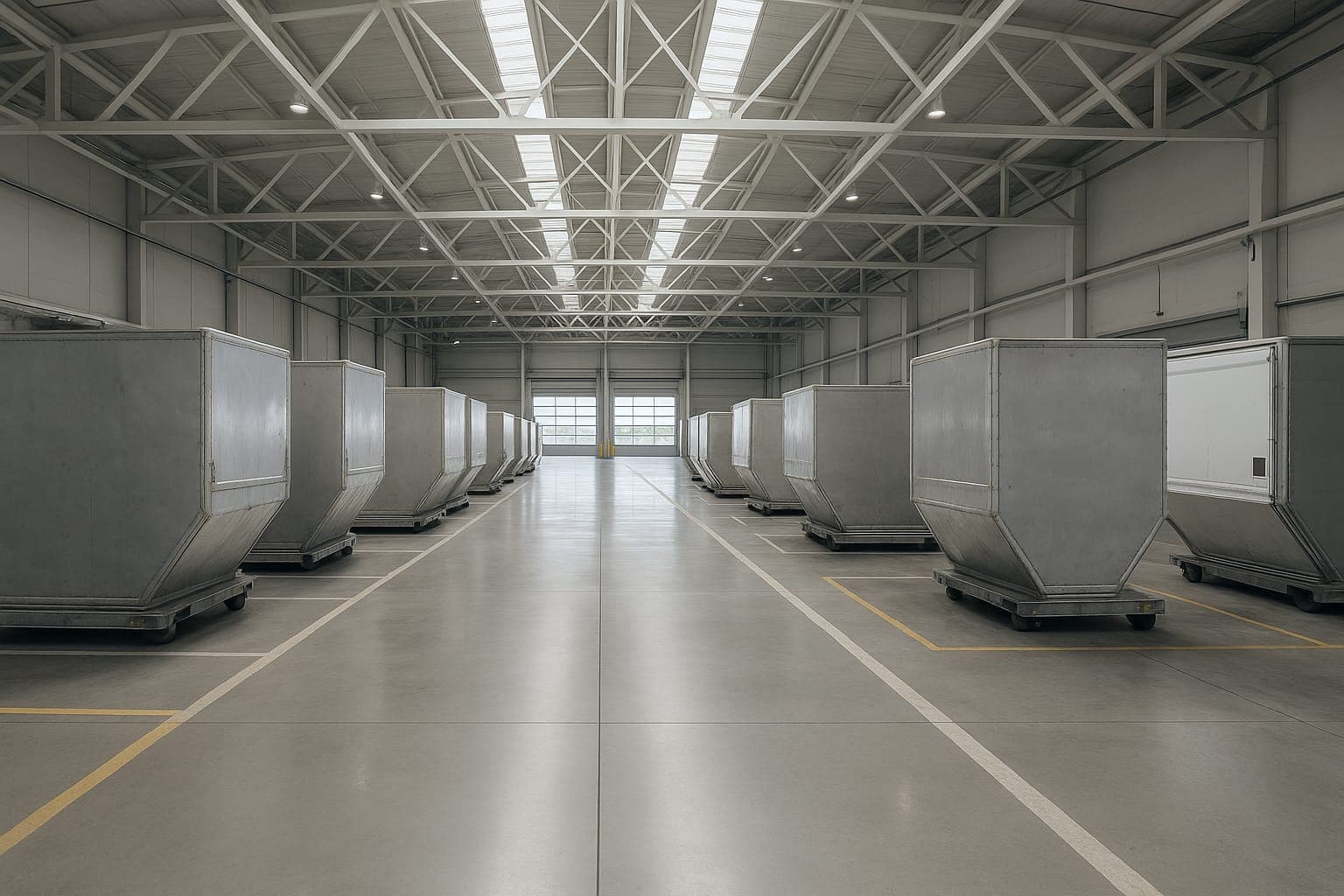
Air freight containers lined up inside a sorting facility.

Who is liable after a crash with a DHL truck?

It depends on which DHL operation the vehicle belonged to, because the brand covers several distinct businesses. DHL Express discontinued intra-U.S. pickup and delivery in January 2009 and serves shipments moving to and from the country; its U.S. entity holds its own federal registration. Domestic DHL eCommerce parcels are handed to the Postal Service, which by exclusive agreement completes the final mile for all deliveries — so the vehicle that delivered a DHL parcel to a doorstep was frequently a USPS vehicle, and the claim runs under federal procedure. DHL Supply Chain's U.S. trucking registers under the legal name Exel Inc, with employee drivers on dedicated client routes. Separate businesses also register as independent contractors of DHL under their own USDOT numbers. The registration governing the vehicle that hit you identifies the defendant; the paint does not.

01

Which DHL Do You Mean?

DHL Group describes itself as a company of approximately 389,000 employees across more than 220 countries, and in the United States its brand sits over several operations that have little to do with each other on the road.

Its own annual report draws the divisions plainly. Express carries international time-definite shipments as its core business. eCommerce handles domestic parcel transport in selected countries, including the United States, through what the company calls its own and partner networks. Supply Chain runs warehousing, transport, and value-added services under contract for client industries. Global Forwarding arranges freight, a business that puts few vehicles of its own on the road.

For you, the division question is the defendant question, and it decides where compensation for a serious injury actually comes from. Each of these operations puts different vehicles on American roads under different corporate entities, and two of them may put no DHL-employed driver near your crash at all. Working out which operation the vehicle belonged to is where this claim starts.
02

The 2009 Exit That Explains Everything

The reason DHL's American structure confuses people is a decision now more than a decade and a half old.

In 2008, DHL announced a restructuring of its U.S. business, and by January 31, 2009 it had ceased to service intra-U.S. shipments — packages with both an origin and a destination inside the country. The record of that exit is written in the securities filings of the companies around it. Its contracted U.S. air carrier reported removing 47 aircraft from DHL service and closing regional sorting hubs. FedEx told its own investors that DHL exited the U.S. domestic package market during 2009 and that FedEx picked up roughly half of those shipments.

What remained is the structure you meet today. DHL provides international service to and from the United States, and its domestic-looking parcel business runs on a model built around partners. So a comparison that feels natural — DHL as a third parallel network beside UPS and FedEx Ground — starts from a premise that stopped being true in 2009, and a claim built on that premise will chase the wrong company.

03

The Parcel That Came by Mail

Here is the fact most people find surprising, stated by the Postal Service itself: the vehicle that brings a DHL parcel to a doorstep is usually a postal vehicle. Under an exclusive agreement announced in May 2026 and valued at well over $10 billion, DHL eCommerce handles nationwide pickup, sorting across its 19 automated hubs, and linehaul, and the Postal Service completes the final mile for all deliveries. The exclusivity thread goes back to 2008, when USPS became DHL's exclusive last-mile carrier in thousands of ZIP codes.

Read that against a crash. If the collision involved the doorstep delivery of a DHL e-commerce parcel, the vehicle was very likely a postal vehicle with a postal driver, and your claim is governed by the Federal Tort Claims Act — an administrative claim first, a two-year federal deadline, a bench trial, and the United States as defendant. That entire procedure is covered on this library's USPS page, and it applies no matter whose brand was on the parcel in the driver's hand.

The linehaul legs are different. Trucks moving DHL eCommerce freight between its hubs run before the postal handoff, and the operator of a linehaul vehicle is identified from its own registration. The lesson repeats at every layer of this structure: the brand on the shipment tells you who sold the service, and the registration on the vehicle tells you who to sue.

04

Express, and the Registrations Behind It

DHL Express serves shipments crossing the border in either direction, and it does register vehicles here. In the federal motor carrier census, pulled for this site in August 2026, DHL Express (USA) Inc holds USDOT 315026, reporting 481 power units and 2,837 drivers.

Those figures deserve careful handling, and this site's own rules require the caveats to travel with them. Census figures are self-reported by carriers and go stale between pulls. And a ratio of roughly 5.9 drivers per vehicle is an outlier with more than one innocent explanation — multi-shift operations report this way, and so do networks whose partners' vehicles sit on other registrations. The number raises the question; it does not answer it.

What the census does establish directly is that separate businesses work under the brand on their own authority. One Pennsylvania company registers under its own USDOT number with the operating name Independent Contractor of DHL. A business like that is its own defendant, with its own insurance, its own drivers, and its own duty of care. Whether the vehicle in your crash ran on DHL Express's registration or a partner's is a fact, recorded, and worth establishing before any theory of the case is chosen.

05

Supply Chain Trucks Are Exel Trucks

The division most likely to put a heavy DHL truck near you on a highway is the one fewest people have heard of. DHL Supply Chain, the contract-logistics business, runs dedicated trucking for client companies — and its U.S. fleet registers in the census under the legal name Exel Inc, USDOT 482746, with 776 power units and 1,120 drivers, an Ohio-based registration carrying the operating name DHL Supply Chain USA.

That legal name is a pleading trap of exactly the kind this library keeps finding. A complaint naming "DHL Supply Chain" as a defendant names a brand; the registered motor carrier is Exel. The same lesson applies here as to the waste companies and the private fleets profiled elsewhere in this library: the entity that answers for a truck is the entity on its registration.

Two more facts about this division matter for a claim. Its recruiting materials describe full-time regional delivery routes for well-known brands with drivers on dedicated trucks, which supports an ordinary employer-liability analysis for those operations. And because the fleets are dedicated to clients, the truck may carry the client's branding on the trailer while running under a DHL-side registration. A grocery brand on the box and a logistics company on the door is a normal sight in this segment.

06

Reading the Vehicle, Then the Record

Whichever mix of entities turns out to be involved, your first moves are the same.

Get the USDOT number if you safely can, and get the crash report either way. On a vehicle this brand touches, that number distinguishes DHL Express's own registration from a partner company's, an Exel truck from a client's private fleet, and any of them from a postal vehicle. No other single fact does as much work this early.

If the delivery was a domestic parcel, check the postal possibility first. The final mile of DHL eCommerce delivery belongs to USPS by exclusive contract, and the federal claim it produces runs on deadlines that forgive nothing. Two years to present an administrative claim sounds long until treatment and records have eaten a year of it.

Expect the records to be older than the road. The census is self-reported and point-in-time; operating names outlive divestitures, and a brand on a registration can lag a sale by months or more. The registration is where identification starts. Corporate filings, insurance certificates, and the contract behind a dedicated route are where it finishes.

Preserve early, on every entity in the chain. Telematics, dispatch records, driver files, and route contracts sit with different companies in this structure. A preservation demand that names only the brand reaches almost none of them.

Untangling a layered delivery structure is a normal first week's work on these cases. If a yellow truck or a doorstep delivery put you here, the identification work should start now.

FAQ

Frequently Asked Questions

Common questions about DHL's American structure, the Postal Service's role in DHL deliveries, and the registered entities behind the brand.

Free Consultation

Get your free case evaluation today

Were you or a family member injured in a collision with a truck or commercial vehicle?

Where We Practice

Illinois & Florida

A trial firm handling truck and commercial vehicle injury claims in Illinois and Florida.

  • Chicago Office
    Zayed Law Offices1132 S Wabash Ave, Suite 303Chicago, IL 60605-2305
  • Joliet Office
    Zayed Law Offices195 Springfield Ave, Suite 202Joliet, IL 60435
  • Miami Office
    Zayed Law Offices804 NW 21 Terrace, Suite 205Miami, FL 33127

Call 24/7312.500.2674